
The Review That Came Too Late

Most architecture boards I have sat in do not prevent bad decisions. They notarise them.
A Tuesday at two
A project lead walks in with a new customer portal platform. The contract was signed in March. The team was hired in April. It is June. The architects place the platform on the landscape map, notice it is the second portal technology in the company, raise a concern about integration, and approve with a condition. The minutes say: reviewed, compliant.
Nothing architectural happened in that room. The decision was taken months earlier, when the budget was approved. All the board could do was stamp it, because saying no would have meant burning money already spent and a vendor already committed.
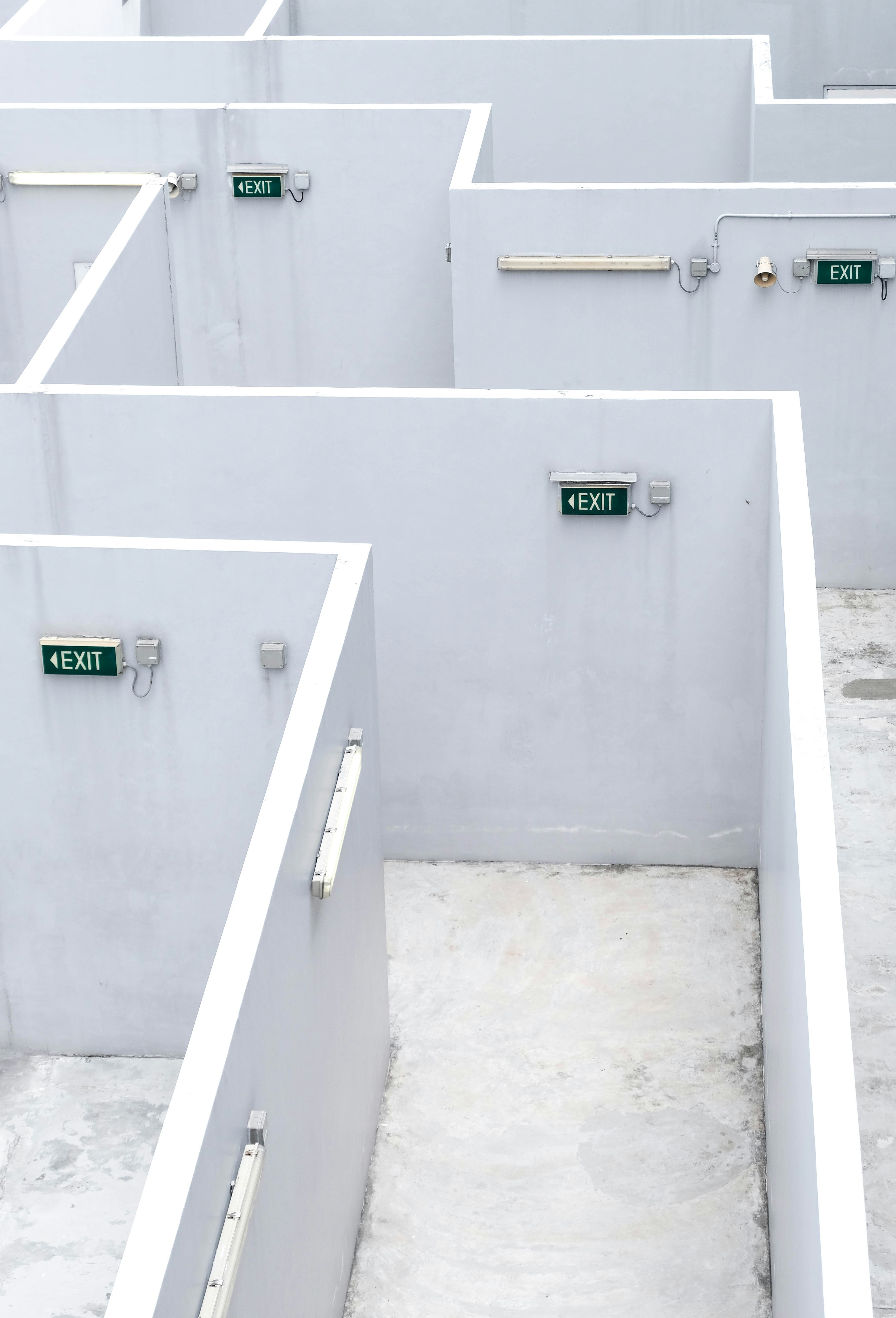 By the time the board meets, the decision has been made for months.
Photo by Rayson Tan on Unsplash
The ball was already rolling
Be honest about the starting point. You did not begin with a clean sheet. You have a legacy landscape nobody dares to touch, a board that wants more change every quarter, and a budget that gets trimmed every year. Change faster, spend less.
Every project adds a platform, an integration, an exception. Almost nothing is removed. Each change makes the next one more expensive. That is the change trap, and it compounds like a snowball on a slope: pressure creates initiatives, initiatives create complexity, complexity kills your capacity to change, and lost capacity creates more pressure.
 Five questions, one page, answered by whoever signs the money.
Photo by Sean Foster on Unsplash
Why the stamp hurts
Now add architecture to that picture. A bad platform choice without approval at least stays visible as a risk. Someone will eventually ask about it. The same choice with reviewed and compliant written next to it disappears into the inventory. Three years later, when a new CIO asks why there are two portal stacks, the answer is: architecture approved it.
That is the architecture illusion. It is not that architecture does nothing. It is that it adds a layer of governance, documentation and review cost on top of the snowball, and the snowball keeps growing underneath, now with a certificate. Landscape diagrams describe how big the ball has become. They never make it smaller.
 Same ball, different moment.
Photo by Carla Quario on Unsplash
The one weak point
A snowball at the bottom of the hill cannot be stopped. At the top of the hill it is a handful of snow. In your organization, the top of the hill is the money decision.
Before funding, a choice is still strategic. You can say not this, not now, not like that. After funding, it is implementation. Contracts, hires, sprints, and every week makes it more irreversible. An architecture review after that moment is damage control with a logo on it.
Five questions before the euro
So move the conversation to the funding gate. Not a forty-page solution design. Five questions, asked before a single euro is committed:
Does this capability already exist? Can we reuse instead of rebuild? Does this strengthen or fragment the landscape? Is this aligned with our strategic direction? What future cost are we creating?
One page. Answered by the people who sign the money, and kept. That turns documentation from a description of the landscape into a record of decisions: why we funded it, what we rejected, when we revisit. Some initiatives merge with something that already exists. Some get redirected. Some die. The ball shrinks before it starts rolling.
Try it on your last three
Take your last three funded initiatives and ask one question for each: when did architecture first see it, before the budget or after?
If it was after for most of them, your reviews are certificates, not governance.
Where does your architecture board sit today: before the signature, or after it?
Screw Architecture Manage Change — the CEO playbook, 40 diagrams and the deck. Ebook €24.50, paperback €44.50.
Get the bookOne mail with the chapter, then an occasional note like this one — and €5 off the book when you decide.