
The Real Job: Managing Change, Not Documenting It

Every executive says the same thing today: we need to change faster. I hear it in boardrooms, in budget meetings and in the corridor after the steering committee. It is said with conviction, and it is meant.
Then comes the second sentence, usually in the same meeting: we also need to reduce our costs. The board wants innovation, investors want efficiency, customers want better digital services, and competitors move faster every year while margins shrink.
Change faster while spending less: that is the promise of digital transformation. And yet inside many organizations the opposite happens. Each program takes longer than the last, costs more, and delivers less than the business case promised. Executives add pressure, budget and a program office. It rarely helps.
This article is about why, and about a way out. It is the long version of chapter 3 of the book, The Real Job: Managing Change. I follow one small example from start to finish.
Not a Technology Problem
Let me start with what the problem is not. It is not a lack of technology; most companies own more than they can name. It is not a lack of investment, talent or even ambition.
In chapter 10 I put it this way: most organizations do not struggle because they lack technology, talent, funding or ideas. They struggle because change becomes increasingly difficult.
The cause is structural. Every project adds systems, integrations and platforms; very little is ever removed. Exceptions granted for one urgent project become permanent. Over time the landscape becomes a dense web of dependencies, where every change touches multiple systems and every innovation increases future complexity.
A Two-Week Change
 AI-generated with OpenAI (gpt-image-2.6-sunburst)
Picture a modest request: add one new field to the customer onboarding journey. In a simple landscape, that is a two-week job.
In the landscape most large organizations have built, the field lives in the CRM, the web portal, the data warehouse and three integrations. Nobody owns the whole chain. Six teams must be coordinated, each with its own backlog and release calendar, and a security review is needed because one integration uses a different pattern.
The two-week job becomes a four-month program. Nobody did anything wrong; every earlier decision was reasonable in isolation. Together they made change expensive.
Multiply this by every initiative in the portfolio and you get the change trap: budgets increase, results shrink. Worse, it feeds itself. Complexity slows change, slow change creates pressure, pressure produces quick fixes, and quick fixes add complexity.
Where the Time Goes
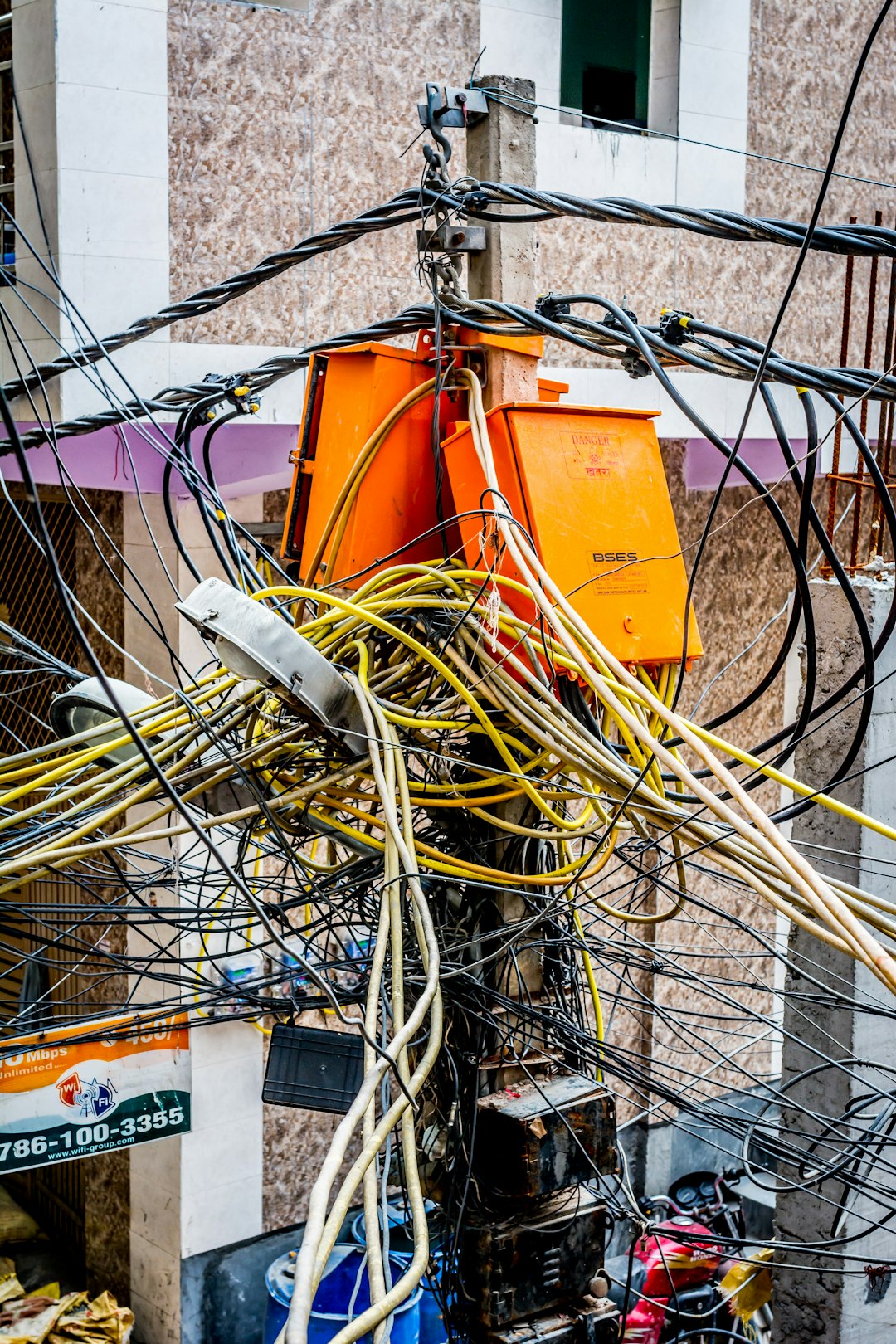 Photo by Gayatri Malhotra on Unsplash
So where do the four months go? Not into the field. They go into shortcuts taken years earlier, each of which now sends a bill. This is an illustration, a composite of patterns I see in many landscapes, not a case study from the book. I suspect you will recognize every line.
A second copy of the customer data. A project needed customer details in the web portal, the shared customer platform had a waiting list, so the team built its own store and synchronized it nightly. It shipped on time. Today the field must be added in two places, and the two must stay consistent.
A different integration pattern. One integration was built point-to-point because the standard pattern needed a slot in another team’s roadmap. Today it is the reason for the security review, and for the one engineer who knows it being booked for weeks.
A feed nobody owned. The warehouse got its own extract straight from the CRM, because asking who owns customer data meant a meeting nobody wanted. Today nobody can say who approves a change to that data, so the question becomes a negotiation.
Architecture after the money. Each of those projects had an architecture review in week six, after funding and vendor selection. The review documented the shortcut instead of challenging it.
Nothing switched off, nothing left behind. The old synchronization, extract and integration kept running because somebody still depended on them. Every project closed on time, on budget and on scope, and left nothing the next team could use. So the next team took its own shortcut.
Notice the pattern: uncontrolled variation, decisions taken too late, and projects that took from the landscape and gave nothing back. Keep those three in mind. The two engines and the pyramid below exist to deal with exactly them.
The Architecture Illusion
 AI-generated with OpenAI (gpt-image-2.6-sunburst)
Architecture was supposed to solve this problem. That is what the discipline exists for: keeping a complex landscape coherent. But too often it produces documentation instead of decisions.
You know the pattern. An architecture team spends months on a current-state landscape, a target-state landscape and a roadmap between the two. The diagrams are reviewed, praised and filed. Then a project gets funded, a vendor gets selected, and the architecture review happens in week six, when changing course would mean admitting the plan was wrong.
The review decides nothing. It documents a decision already taken elsewhere, by someone with a budget and a deadline. That is how the shortcuts above survived: each was reviewed, none was stopped.
That is the architecture illusion: the feeling of control that comes from having artifacts. The repository is full, the governance board meets monthly, and the landscape grows more tangled underneath. Nobody is lying. The architecture simply arrives too late.
Martec’s Law
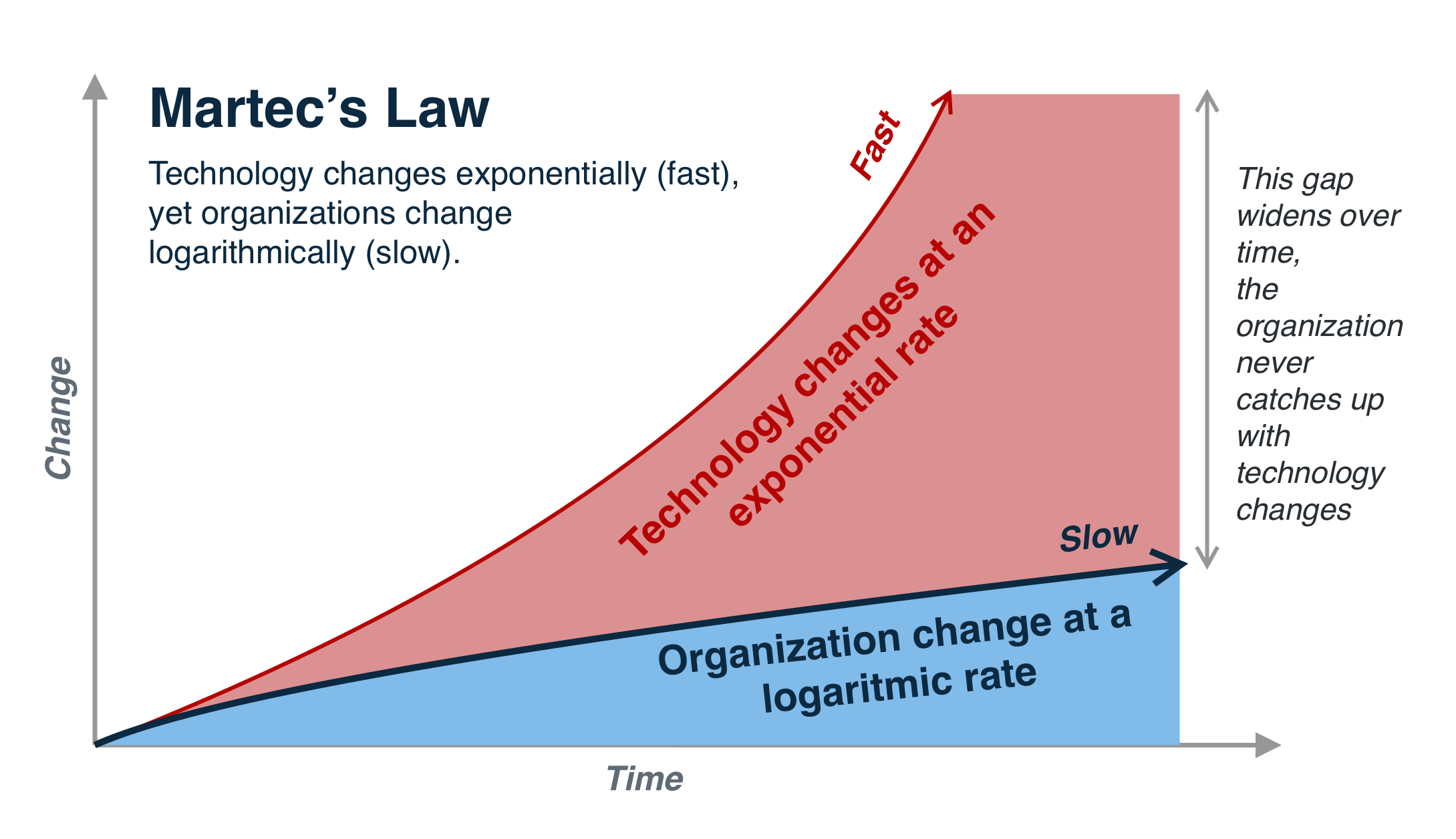 Diagram from the book
There is a simple way to see why this matters: Martec’s Law. Technology changes exponentially. Organizations change logarithmically.
Draw both curves on one chart and the gap widens every year. Cloud, data platforms and now AI arrive faster than any organization can absorb them. A company does not fall behind because it lacks technology. It falls behind because the distance between what technology allows and what it can absorb keeps growing.
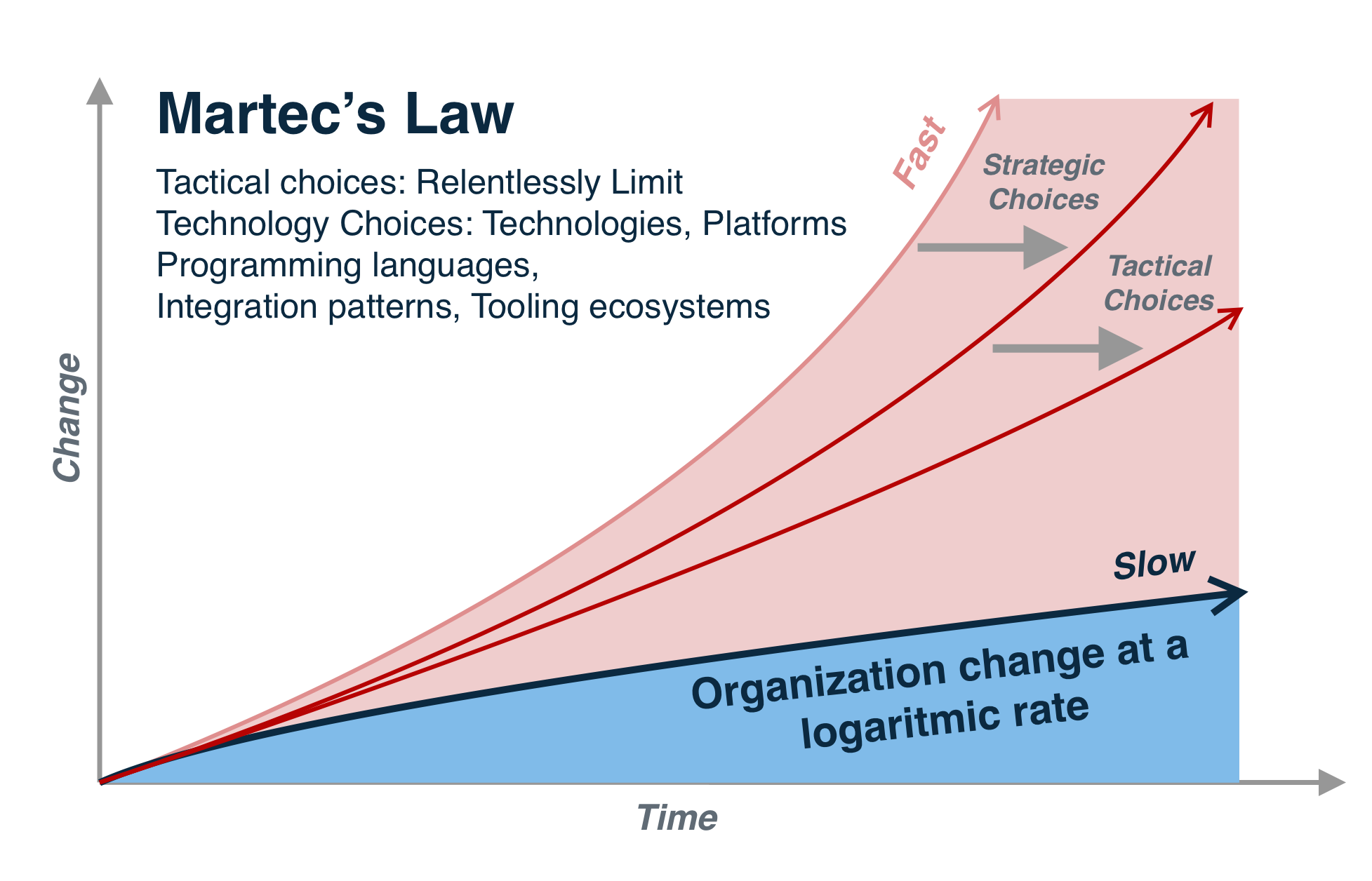 Diagram from the book (© Dimitri Van de Putte)
Every project either widens that distance or narrows it. There is no neutral initiative. A platform bought without retiring an old one widens the gap. A shared service that three business units adopt narrows it.
The Real Job
So what is the real job? Not drawing the landscape, not maintaining the repository, not chairing the review board.
The real job is managing change: making sure the organization’s ability to change grows at least as fast as the pressure on it. The measure of architecture is then not the quality of its documents, but the speed and cost of the next initiative, whether complexity went down this year or up, and whether decisions were made when they still mattered. Measure architecture by document count and you get a very efficient way to produce more documents.
Chapter 3 gives the way out in two parts. A flywheel with two engines, discipline and reuse, that pushes against the change trap. And a pyramid that puts those engines to work at three levels: strategy, guardrails and documentation. One page, and each part can start on Monday.
The Flywheel: Two Engines
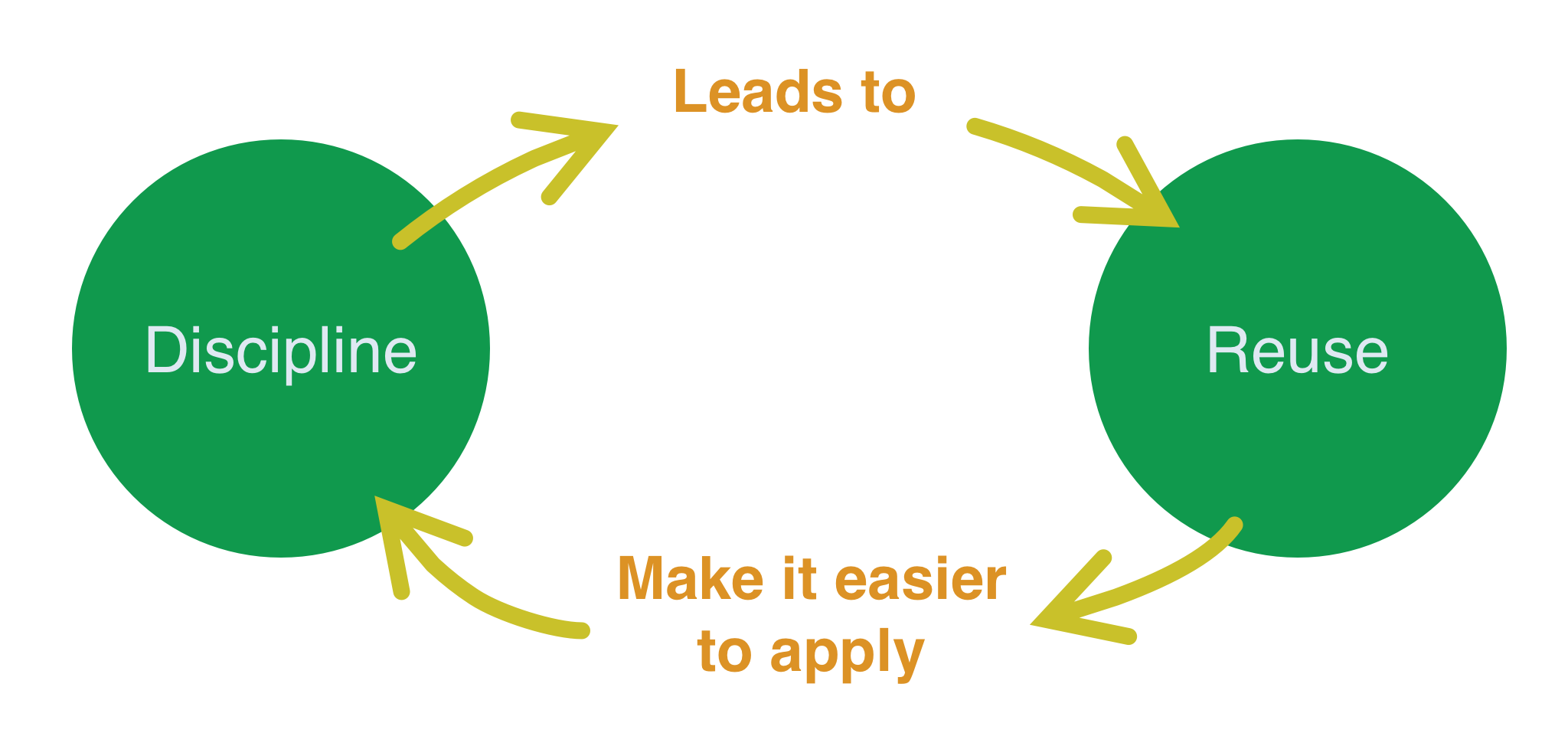 Diagram from the book (© Dimitri Van de Putte)
Start with the engines, because they do the work.
The first engine is reuse: the habit of building once and using many times. Its first job is to limit technology choice. That is the least popular job in the book, because choice feels like freedom and freedom feels like innovation. But every additional option creates enterprise cost. A second copy of the customer data does not just cost the project that wanted it. It costs another set of skills, another integration to every system that needs the data, another upgrade cycle, another security review. The cost lands on the enterprise, permanently. A restaurant with 400 dishes has a slow kitchen and nothing is cooked really well; a restaurant with twelve serves faster and cooks better.
Reuse is how you limit choice without starving people. One customer platform, one integration pattern, one data product per domain: not because a standard says so, but because they already exist and work. When the customer API or the integration pattern is already there, the next project assembles instead of builds: faster, cheaper to run, safer. The first project that builds the pattern properly pays full price. The second pays a fraction. By the fifth, nobody remembers it was a project. The direction of travel is what matters: a project that leaves something reusable lowers the cost of the next one, and a project that leaves only a new system raises it.
The second engine is discipline: the willingness to take decisions before they are funded, even when a sponsor is annoyed and the deadline is tight. Once the money is committed, the scope agreed and the vendor chosen, the degrees of freedom are gone. Architecture can still comment, record and raise risks that will be accepted because the project is already running. What it cannot do is decide. Before funding, the same architecture changes the outcome. It can ask whether the initiative duplicates something already in the landscape, what could be reused, who owns the data and what it would let us retire. Those questions cost nothing at that moment; after funding, each one costs a change request. One diagram in the book is called Architecture Creates Value Before Funding, and the title is the whole argument.
Back to the portal project. Before funding the conversation is: we already hold customer data in a platform, here is the standard, what do you need that it cannot do? Sometimes the answer is a genuine gap. Often it is a configuration, at a fraction of the cost. The unowned feed surfaces in the same conversation: who owns this data? After funding, the same questions are a political fight about a signed contract.
Neither engine works alone. Reuse without discipline fails, because you cannot reuse what is different every time. Discipline without reuse becomes bureaucracy, because you take options away and give nothing back. Together they form the Discipline-Reuse Cycle in chapter 3. Discipline reduces variation, which makes reuse possible. Reuse frees capacity and budget, which makes discipline affordable. The next project starts from a simpler landscape, so the next decision is easier. The change trap is a loop that makes change harder with every turn; this flywheel is its mirror image. You do not escape a self-reinforcing loop by pushing harder against it. You build one that pushes the other way.
The Pyramid: Three Levels
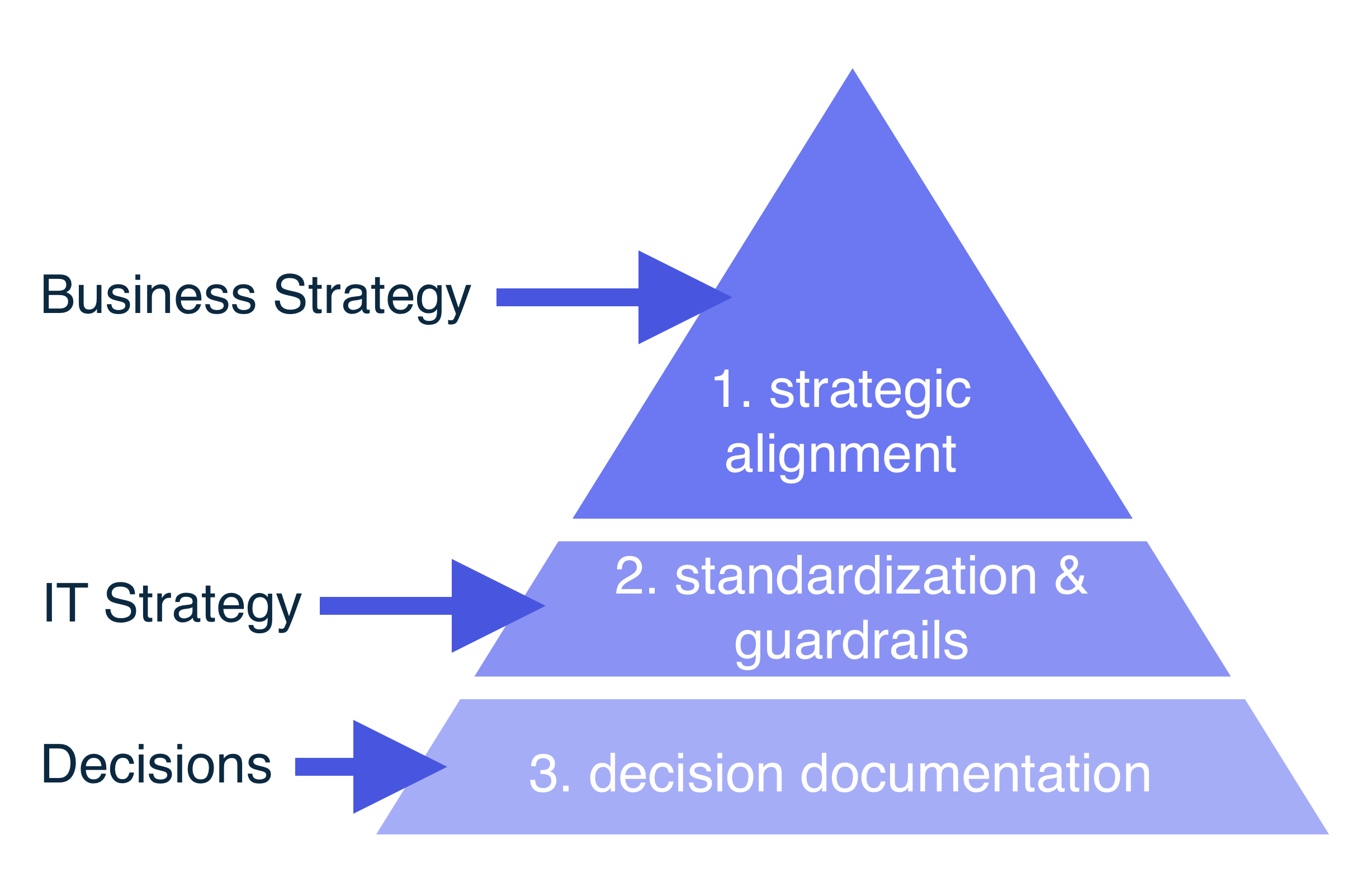 Diagram from the book (© Dimitri Van de Putte)
Engines need a place to act. That is what the pyramid is for: it applies discipline and reuse at three levels of the organization. Chapter 3 calls them the foundations of sustainable change.
The strategic level. Here the question is the Portfolio Compass one: where should we invest? Discipline at this level means every candidate initiative is tested against the strategy before it gets money, not justified afterwards. Reuse at this level means the portfolio favours initiatives that build on what exists and retire what does not, over initiatives that add a platform next to the old one. Strategic alignment is not a slide; it is the set of initiatives you fund and the set you refuse.
The guardrail level. Standards and guardrails answer one question: how much variation are we willing to allow? Not zero, but a deliberate amount, decided up front and visible to everyone. A good guardrail is short and explains the why: ‘for customer data, use the customer platform, because every copy costs us an integration and a reconciliation.’ A fifty-page standard nobody reads is not a guardrail. Discipline keeps the guardrail honest, with an exception path that prices the deviation. Reuse makes the guardrail the easy path, because the platform team has made the standard the quickest route to done. Applied to our field: the first two shortcuts would have met this guardrail. The portal team could still have asked for an exception, but with the bill on the table, and the platform’s waiting list would have been visible as a problem to fix instead of a reason to deviate.
The documentation level. This is where the architecture illusion lives, so it matters most. Document decisions, not landscapes. A decision record says what was decided, why, which option was rejected, which exception was granted at what price, and what will be switched off. One page, written before funding, is worth more than a current-state diagram nobody can keep up to date. Discipline makes the decision explicit; reuse means the next project can read it and build on it instead of rediscovering it. That is the difference between documentation that creates the illusion of control and documentation that carries a decision forward.
The pyramid connects to the rest of the change engine in chapter 9: the Portfolio Compass asks where to invest, guardrails how much variation to allow, radical reuse what to reuse instead of build, less complexity what to simplify or eliminate, and technical debt what is preventing future change. As one diagram in the book puts it, technical debt is tax.
The Same Field Again
Now replay the request: add one field to the onboarding journey, in a landscape where the flywheel has been turning for a few years. Customer data lives in one platform with a named owner. Portal, app and warehouse consume it through the standard pattern, because the guardrail says so and the platform team made that the easy path. The field is added once, at the source, and flows to the consumers. The as-is is clean, so the implementation is fast: two weeks, perhaps three.
That is the end state. Reality, the first time, looks different. Say the flywheel started last year. The request still arrives in today’s landscape: two copies of the customer data, one odd integration pattern, one feed without an owner. The field hits every one of them, exactly as described at the beginning.
The difference is what the engines make the team do with them. Discipline says: this is a funding moment, so decide now. The decision is not ‘add the field in six places’. It is ‘add the field once at the source, consolidate the portal copy onto the platform, move the point-to-point integration to the standard pattern, give the warehouse feed an owner and switch off the direct extract’. Reuse says: the architect, the developers, the analysts and the testers are already in this code, in these integrations, in this data. Cleaning up while they are at it costs a fraction of a separate clean-up project, which would never get funded anyway.
So the first field does not take two weeks. It takes about three months instead of four. But those three months are not interest on old shortcuts. They are an investment in the ability to change: one copy fewer, one exotic pattern fewer, one owner more, one decision documented. The next field in the same chain is a two-week job, and the next project that touches customer data starts from a simpler landscape.
In the first organization the field costs four months and leaves the landscape worse. In the second it costs three and leaves it better, and the one after that costs two weeks. Same request, same people, a different structure around them. That, not heroics, is what managing change means. A landscape that took years to tangle takes years to untangle, but every turn of the flywheel makes the next turn cheaper.
Audit Your Portfolio
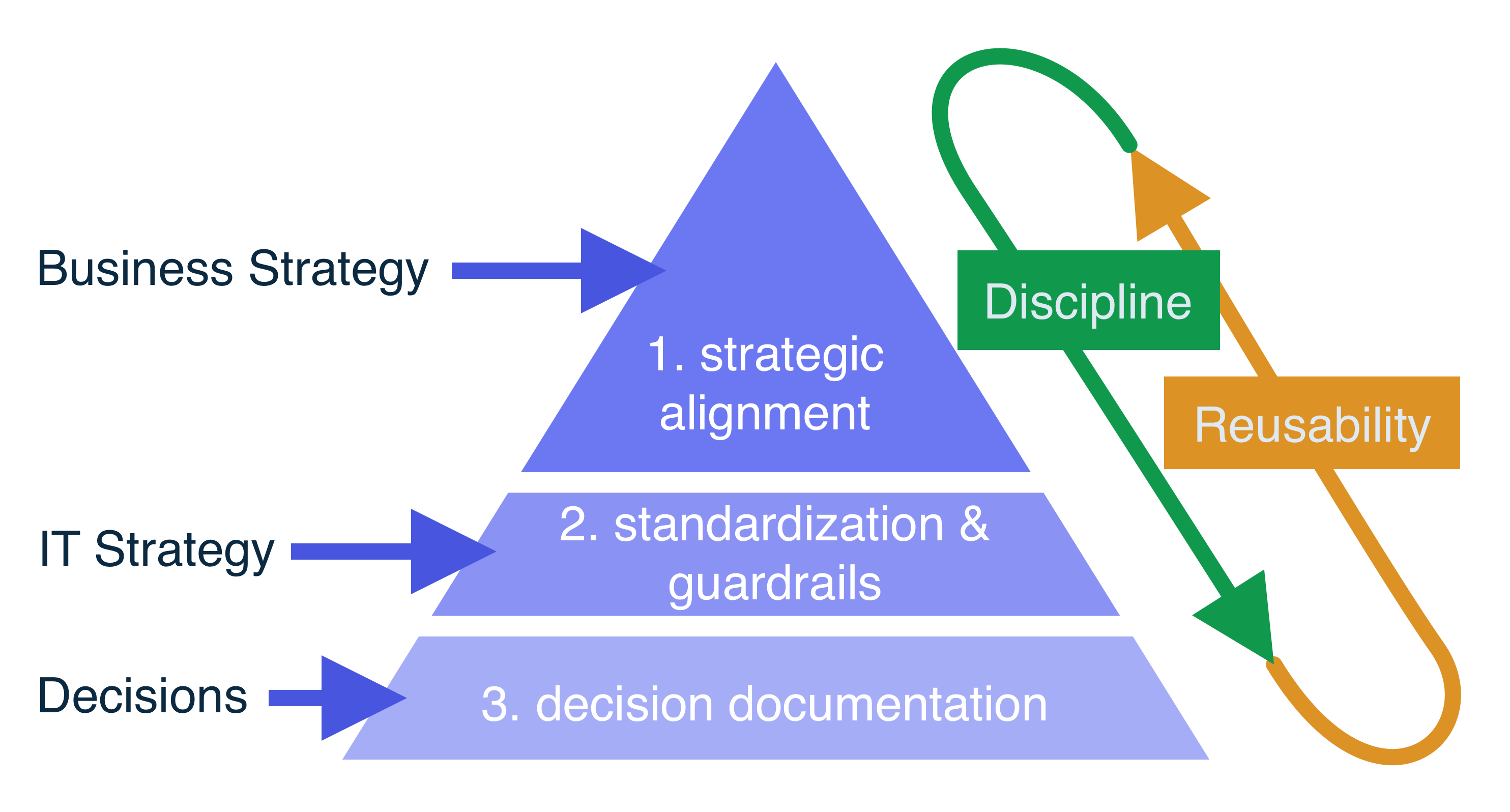 Diagram from the book (© Dimitri Van de Putte)
Here is an exercise you can do this week. Take your last ten transformation initiatives and write them in a column. If technology changes exponentially and your organization changes logarithmically, ask of each one: did it widen the gap, or did it narrow it?
To answer honestly, ask four sub-questions. Did it add options to the landscape or remove them? Was architecture involved before the funding decision, or after? Did it leave anything the next project could reuse? Did anything get switched off? Score each: widened, narrowed or unclear.
Expect to be uncomfortable. If most land in ‘widened’, or in ‘unclear’, which usually means widened because nobody checked, you are not failing at execution. You are living inside the change trap, and the cause is structural, not personal. Then look at what the narrowing initiatives share. Chances are it is an earlier decision, a limited choice, or something reused: the two engines, already turning without a name.
You do not have to do this alone. There is also an AI version of the book, and you can do this audit by talking to the book: bring your ten initiatives and talk them through with it. It is a quick way to get an honest first scoring before you take it to your team.
Start on Monday
You do not need a transformation program to escape the change trap. You need two engines, three levels and the discipline to keep them turning.
Pick the next initiative about to be funded and put the architecture questions in front of the money rather than behind it: what do we reuse, what do we retire, who owns the data. Choose one domain where variation costs you the most and write the guardrail, one sentence with its why. Replace the next landscape diagram with a decision record. And ask every project team one question at closure: what did you leave that the next team can use? That is how the flywheel starts. Small, boring, compounding.
If you want the complete argument, including the pyramid, the two engines, the full change engine, the flywheel and the templates behind them, the book ‘Screw Architecture, Manage Change’ is built for exactly this. Start with chapter 3 and read it with your last ten initiatives in front of you.
Get it as an ebook: https://wellofwisdom.community/b/samcebook
Or as a paperback: https://wellofwisdom.community/b/samcpaperback
More about the book, the AI version and the community: http://wellofwisdom.community
And tell me: which of your last ten initiatives narrowed the gap?
Screw Architecture Manage Change — the CEO playbook, 40 diagrams and the deck. Ebook €24.50, paperback €44.50.
Get the bookOne mail with the chapter, then an occasional note like this one — and €5 off the book when you decide.